
Starting a hardware business is tough. Between developing your first prototype, lining up suppliers, and avoiding costly missteps, early-stage product design can either set you up for success — or stall the whole thing. As a freelance industrial designer working with NZ startups, I’ve seen both.
Here are some hard-earned tips to help you validate your ideas, learn fast, and build smart.
Prototype Early — and Keep It Ugly
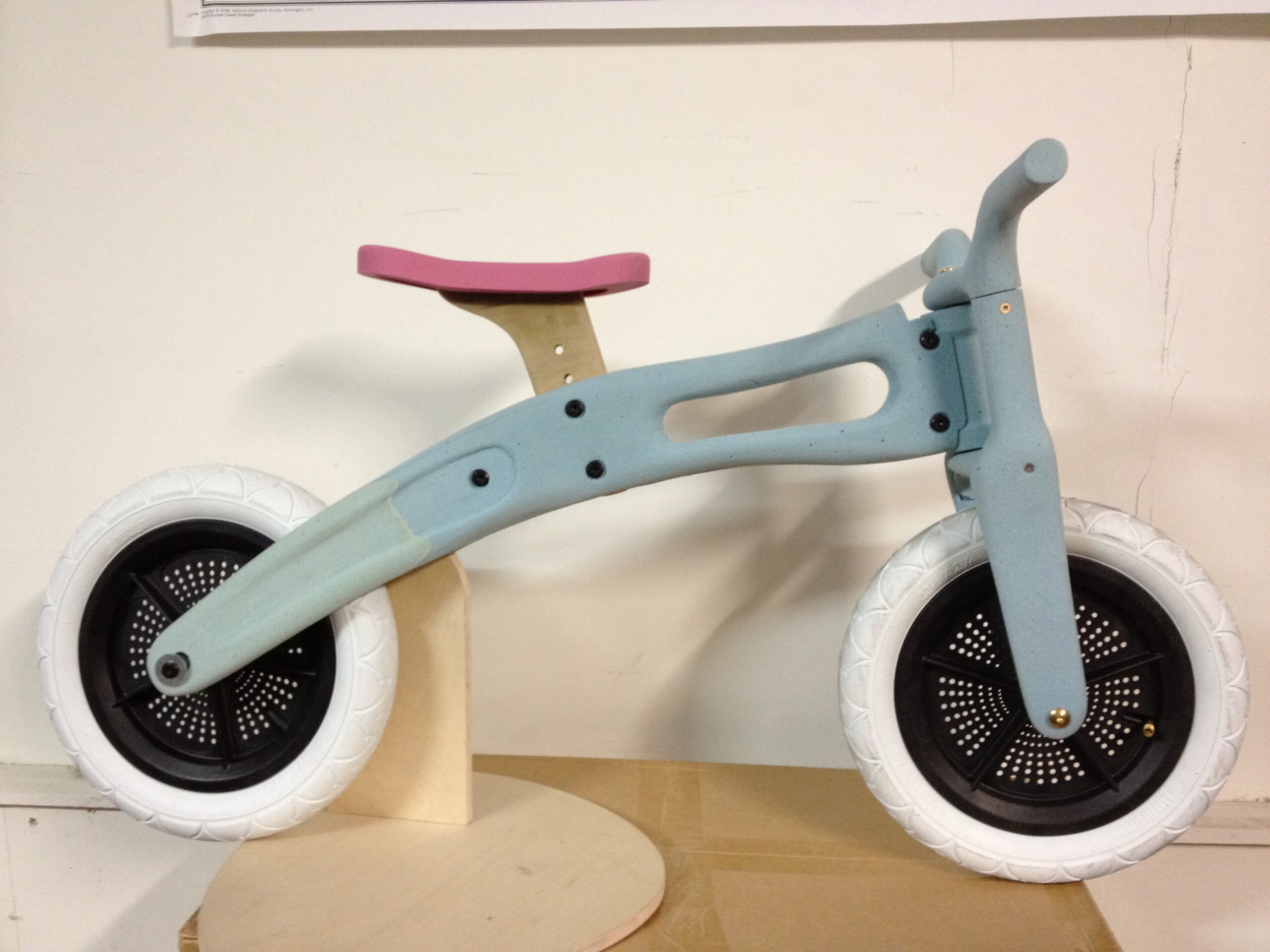
Your first prototype doesn’t need to impress — it needs to teach. Even a cardboard model or 3D print can reveal flaws in your idea. Build fast, test it, and improve it. Don’t wait for perfect.
✅ Tip: Use early prototypes to answer key questions — Does it fit? Can people use it? Does it solve the problem?
Validate Before You Polish
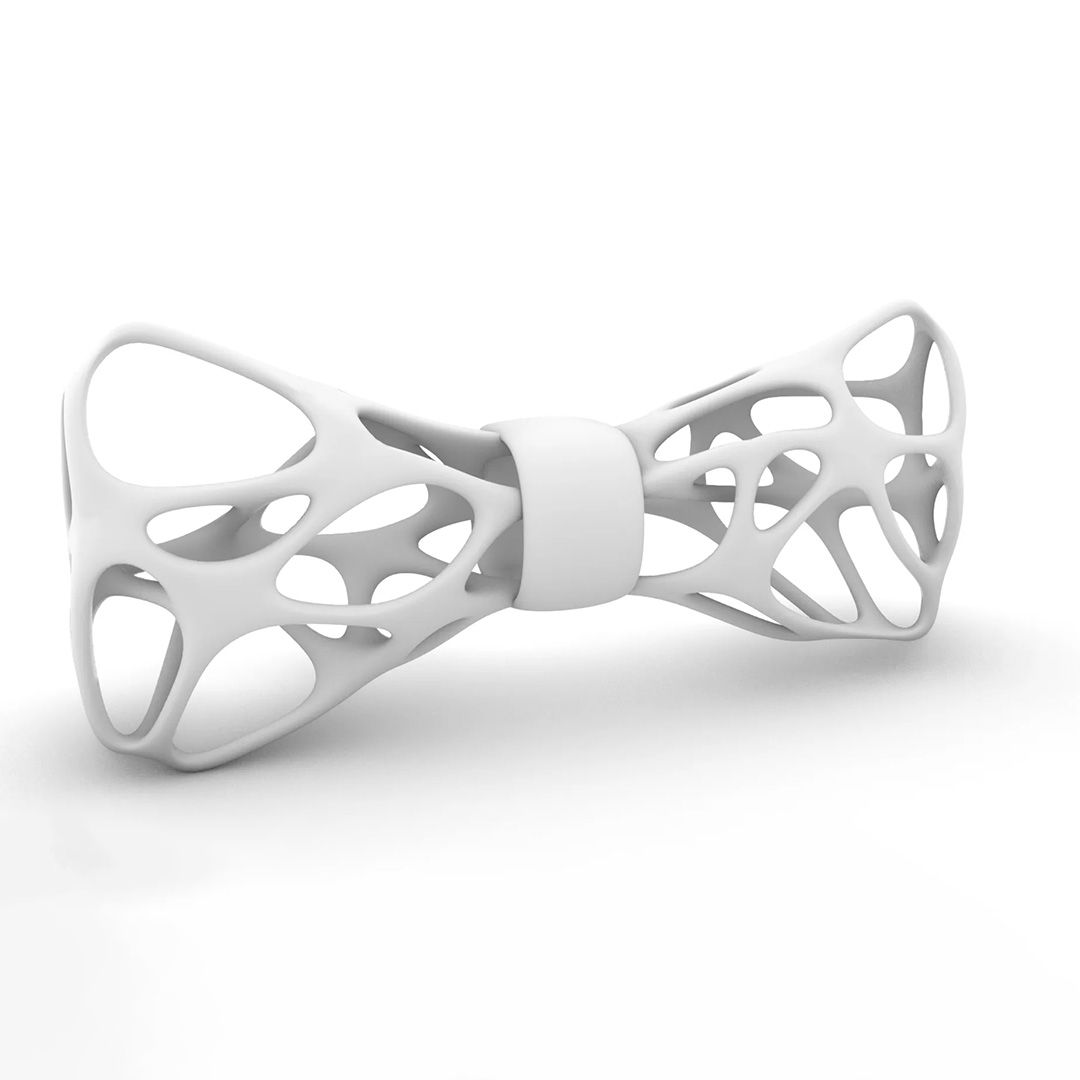
You don’t need a finished product to test the market. In fact, the earlier you get real feedback, the better. Show rough models, mockups, or renders to potential users or buyers. Find out what matters to them — and what doesn’t.
✅ Tip: Focus on learning, not selling. Ask open questions, observe, and stay curious.
Design for Learning Loops
Think of each version of your product as a test — not a final answer. Good design is iterative. Build a version, test it, learn, then adjust. The faster you move through that loop, the better your product will become.
✅ Tip: Track what you’re testing with each version. What assumption are you validating?
Work With Real Manufacturing Constraints
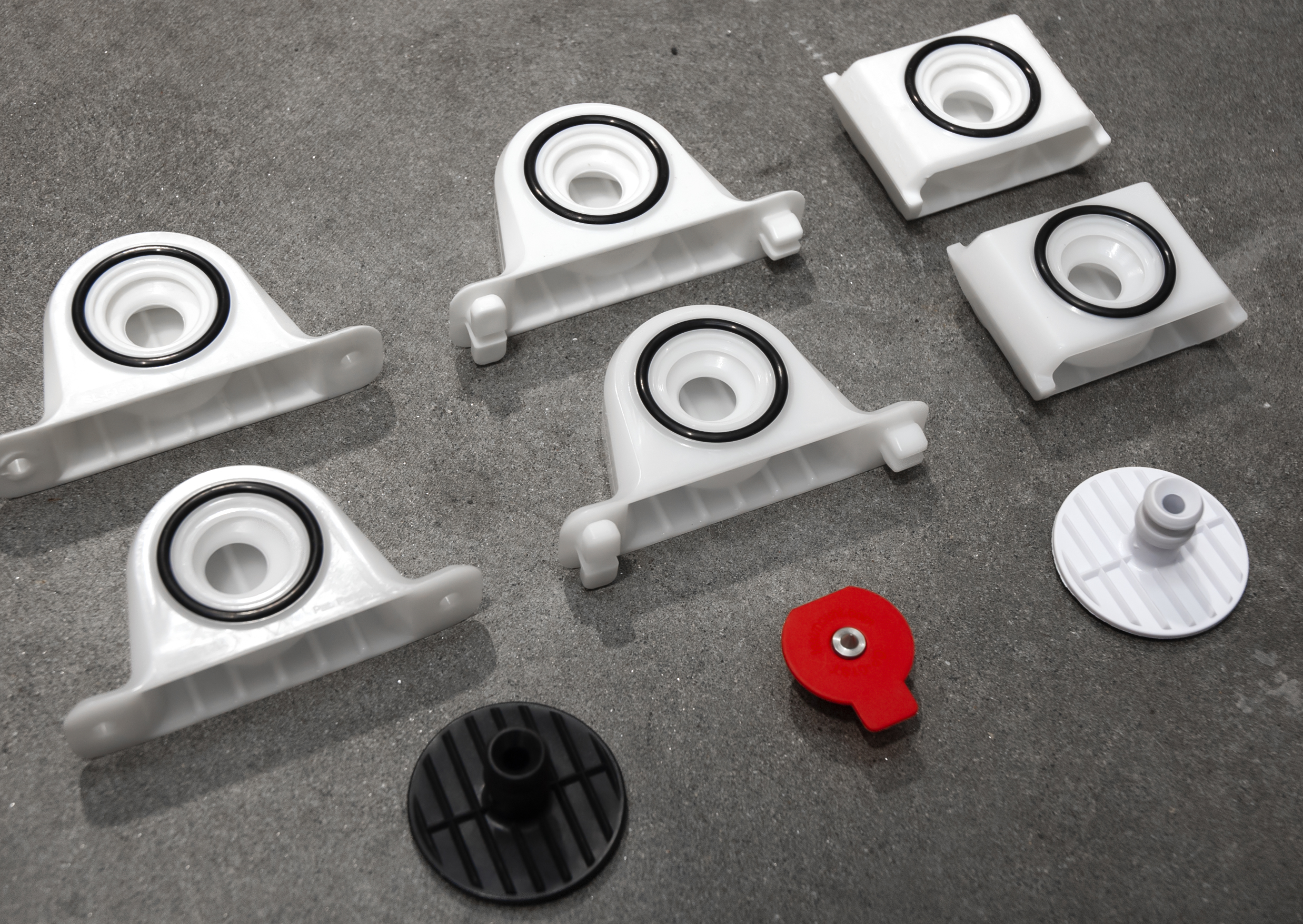
It’s easy to design something cool. It’s harder to design something manufacturable at scale. A good industrial designer will help you align your product with realistic production methods — injection molding, sheet metal, extrusion — early in the process.
✅ Tip: Don’t treat DFM as an afterthought. Get manufacturing input before you lock down the design.
Keep a Design Log
Document your decisions. Why you chose a certain material. Why a feature was dropped. This helps with continuity — especially if investors, engineers, or new team members come on board later.
✅ Tip: A shared doc or design journal goes a long way. It’ll save you repeating the same mistakes twice.
Get Feedback From Outside Your Bubble
Your team isn’t your market. Show the product to real users — people who don’t know the backstory. See where they get stuck, what excites them, or what they don’t notice at all.
✅ Tip: Resist the urge to explain. Just watch how people interact with your prototype.

Use Freelancers to Stay Lean and Adaptable
Hiring full-time talent too early can lock you in. Freelance designers bring the skills you need without adding overhead. They’re used to fast iterations, lean tooling, and tight timelines — and can grow with you as the product evolves.
The best NZ hardware startups treat product design as a learning process — not a straight line. Each sketch, prototype, or conversation is a chance to get smarter. Build, test, listen, repeat.
Need help turning your idea into something real?
I work with startups across Aotearoa to design, prototype, and validate physical products — quickly and cost-effectively. Let’s chat.
